
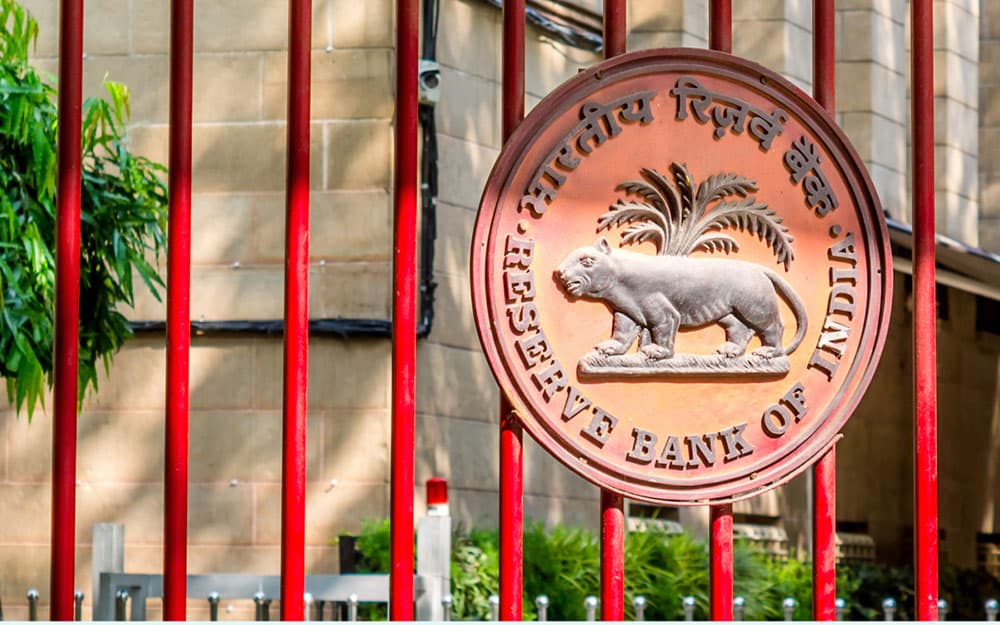
New Delhi (ABC Live): The RBI’s Financial Stability Report (FSR) is a bi-annual assessment published by the Reserve Bank of India to evaluate the resilience of the financial system. The June 2025 edition offers a comprehensive review of India’s banking health, non-banking financial companies (NBFCs), capital markets, insurance sector, and macro-financial risks in light of global uncertainties.
Key Highlights of RBI’s Financial Stability Report 2025
- Gross NPAs (SCBs): Declined to 2.6%, the lowest in over a decade.
- Capital to Risk-Weighted Assets Ratio (CRAR): Stable at 16.8%.
- NBFCs: Capital adequacy >22%, GNPA dropped to 4.2%.
- Mutual Funds: 98% of open-ended schemes can handle 10% redemptions.
- Insurance: Solvency ratio stands at 1.95, well above regulatory requirements.
- Forex Reserves: Topped $642 billion by June 2025.
Critical Analysis of RBI’s Financial Stability Report
1. External Trade Risks Ignored
Despite the looming threat of a failed US India trade deal, the FSR fails to simulate its impact. India’s exports to the U.S. totaled $87.4 billion in 2024, and a reimposition of 26% tariffs could risk $10–12 billion in annual revenue.
2. Retail Overexposure Overlooked
Retail mutual fund ownership rose to 61% of AUM, yet there’s no risk analysis on retail-driven volatility.
3. Fiscal Vulnerabilities Missing
India’s central deficit stood at 6.1% of GDP in FY25. However, fiscal pressures and their spillover into SLR investments were not discussed.
4. Underdeveloped Scenario Modeling
No simulation was provided for global shocks such as oil spikes, sanctions, or sudden capital outflows.
Data Trends from RBI’s Financial Stability Report
| Indicator | June 2023 | June 2024 | June 2025 |
|---|---|---|---|
| Gross NPAs (SCBs) | 3.9% | 3.2% | 2.6% |
| CRAR (SCBs) | 16.2% | 16.6% | 16.8% |
| FX Reserves | $595B | $615B | $642B |
| Inflation (CPI avg FY) | 6.7% | 5.2% | 4.8% |
| Repo Rate | 6.50% | 6.50% | 6.50% |
| Retail Mutual Fund Share (AUM) | 55% | 58% | 61% |
Expert Commentary
- Scott Bessent (U.S. Treasury): “We are very close with India on finalizing a trade agreement.”
- India’s Finance Ministry: “A strong US India trade deal could energize exports and strengthen macro fundamentals.”
- OECD Secretary-General Mathias Cormann: “Uncertainty and rising tariffs can push inflation higher and growth lower.”
Why RBI’s Financial Stability Report Matters
The FSR not only signals the health of India’s financial system but guides credit growth, investor sentiment, and regulatory focus. Its omission of key global threats such as the US India trade deal risks creating blind spots in market preparation.
Related Reading
- RBI FSR Official Page
- US India Trade Deal Explained
- OECD Global Economic Outlook
- SEBI Market Indicators
- India’s External Sector Dashboard – RBI
Also, Read